Featuring Artwork By
Scott and Marilyn Korsten
Visual Arts Center
Artwork By Scott and Marilyn Korsten
Open Now–January 3, 2027 | Gallery 301
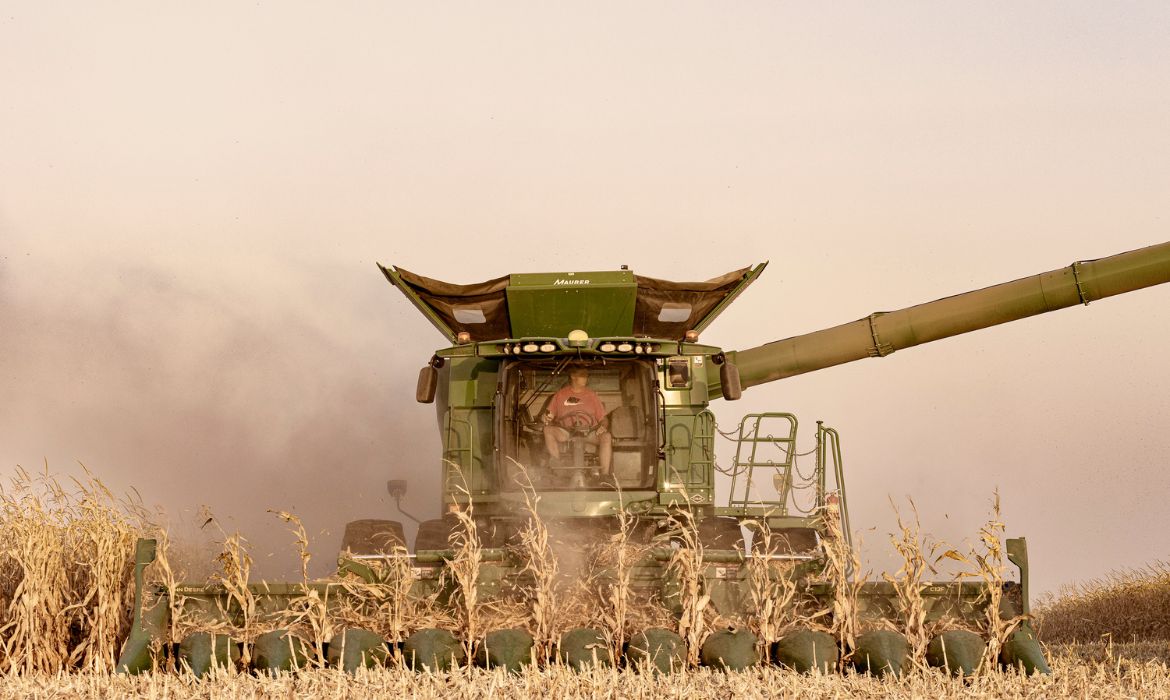
Scott and Marilyn Korsten
July 17, 2026 | 6-8 p.m.
Visual Arts Center, located on the second floor of the Washington Pavilion
Spend an evening in South Dakota’s largest art museum as you explore new exhibitions, connect with featured artists and enjoy complimentary refreshments. Admission to the artist reception is FREE and open to the public.
In rural America, life unfolds under expansive skies, across a patchwork of fertile fields connected by seldom-traveled roads. For those born to it, farming life moves in rhythm with the seasons, and it is never far from their heart; for others drawn to it, the connection becomes just as deep.
For The Dance, our objective is to convey the romance of the harvest, set against the arduous realities of the sometimes dirty and dangerous activities taking place. This is a project that is personal to us, and The Dance pays tribute to those who are part of the agricultural industry, the companies with deep ties to farming, and the individuals who proudly live this lifestyle.
For those unfamiliar with harvest activities, The Dance introduces them to the dedication, challenges, and rewards experienced by those whose lives are devoted to bringing in the crops that feed the world.
Walker Evans, known for his depression era photography of the common man inspired our personal interactions for The Dance. Like Evans, we approached our subjects primarily as a spectator, recording their authentic movements with an eye on the poetry of their interactions.
We knew capturing the unpredictable nature of the harvest would require work that was precise, fast and controlled — much like those employed in street photography. Although the environments are very different, we were inspired by the street work of Garry Winogrand and Helen Levitt to see and capture the quiet drama of fleeting moments during the harvest.
Although the images we created for The Dance didn’t mirror any one particular influence, we could argue that a rural twist on street photography would describe it well. Ultimately, we approached the project with a fusion of various influences—ideas and techniques that were different, yet complimentary—which together prepared us to recognize and adapt to the activities unfolding each day.
To bring this vision to life, we followed four distinctly different farming operations with one common thread; all are multi-generational family farms. Over 23 days, we captured images from dawn until well after dusk, documenting every aspect of this extraordinary season — from the hum of combines and grain trucks to the camaraderie and unyielding labor of those who make it happen.
Although we had access to the people and equipment, we chose not to rely on posed setups. Instead, we approached the shoot with a blend of street photography and photojournalism, focusing on honest, unscripted, and authentic moments that convey the emotion and intensity of the harvest.
Throughout the project, we joined multiple groups most days, at times working in close physical proximity to gain a very intimate view, constantly seeking the moment that would communicate each activity and the emotion of the people as it happened. Other times, we set up at a distance, where we could capture the painterly qualities of scenes that our subjects worked in — machines set against a grand landscape that at once could seem both routine and sublime.
The setup we used most while capturing the images in The Dance involved Marilyn driving a pickup truck deep into the cornfields, with Scott riding in the truck bed. This allowed us to position ourselves where we anticipated significant interactions or scenes would take place — getting the right perspective using a ladder and a tripod in the truck bed, positioned to see over the tall corn. It also meant we needed a high degree of awareness, moving into position to get each shot quickly, then driving out of the way to allow the large equipment to continue unimpeded. It was important that our work didn’t slow them down.
While Scott managed the fieldwork, Marilyn led the postproduction efforts. Using artistic segmentation and deliberate post-processing techniques to guide the viewer’s eye, she worked to highlight the vast beauty of the rural landscape and the intricate details of harvest life — the interplay between human hands and massive machinery, dust-filled skies and brilliant sunsets.
The most employed postproduction technique in The Dance involved tempering the vibrant colors that often resulted in-camera. Early in the project, we noticed that the bright light and saturated colors of the fields — John Deere green, Case IH red, and corn yellow—could overpower the emotional range of the imagery. We considered black-and-white processing, but it felt too stark, losing the warmth of the late autumn colors. Instead, we overlaid many of our images with light bronze tones which we extracted directly from the backdrop of the surrounding harvest environment to create a consistent and evocative emotional palette, highlighting the fading colors of the season.
While working on The Dance, both in the field and in the digital darkroom, we focused on presenting the impact of place and time, along with the dynamic relationships between natural scenes and human interaction. We believe that images from The Dance will resonate emotionally with both those who live on the land, and those who never will.
In the heartland of the Midwest, harvest is more than work; it is an art form, a finely tuned dance handed down through generations.
Each autumn, an unmistakable anticipation fills the air. This is the time of the harvest — a performance perfected over centuries, driven by dedication, sweat, and resilience. It is the grand finale of a year’s labor, a spectacle felt in every small town and on every farm, as communities come together before, during, and after the performance, united by a common beat.
The harvest is a dance of precision, a ritual taught and retaught, each step a tribute to those who danced it before and a promise for those who will follow. Young eyes watch in awe, dreaming of the day they, too, will step into the rhythm.
But no one knows the exact timing of this opening act; the curtain rises on nature’s schedule, dictated by shifting skies and patient fields. Farmers wait, eyes lifted to the horizon, tools ready, waiting for the subtle cues. The land is silent yet charged, cornstalks rustling like a thousand whispered secrets as the stage is set.
And then, suddenly, the call arrives. The wait becomes action. This is the moment they’ve been rehearsing for — an unannounced premiere that brings family and friends from miles away to take their places in the grand choreography. Beneath autumn’s cool embrace, they gather to take their place, awaiting their cue, ready to join in unison.
The combine roars to life, its engine a low, resonant note breaking the dawn, calling forth the supporting cast. Lights flicker on as other machines follow, each taking its place in a symphony of motion. This is the start of an intricate ballet, an unspoken choreography that links every hand and every machine, every cue given by a look or a nod.
Days blur into nights as the dance unfolds in fields blanketed by dust and amber light. Hands and machines move in seamless synchronization, each step fluid, graceful, and intentional. Every movement — a combine’s sweep, a truck’s roll — is timed to perfection, following a rhythm that fills the senses with the sounds and scents of harvest. At dusk, when amber light meets the haze of the fields, the scene glows with a timeless magic, as if the dance itself is caught in an ethereal spotlight.
When the last row is harvested and the fields return to a quiet expanse, a bittersweet calm settles over the land. Machinery is tucked away, earth rests, and an earned stillness descends — a curtain closing on the season’s dance.
Until next year, when once again, the heartland will rise to the rhythm, and the dance will begin anew.
We are Scott and Marilyn Korsten, a Sioux Falls, SD based husband-and-wife team who blend our skills in digital photography to tell meaningful stories through visual art.
Marilyn grew up on her family’s farm in SW Minnesota near Westbrook, a fourth-generation operation that remains a cornerstone of her family’s identity. The patterns of planting, tending, and harvesting are ingrained in her memories, as are the people and values that shaped her understanding of stewardship.
Scott, while not raised on a farm, experienced pieces of rural life as a teenager in the small town of Zumbrota in SE Minnesota. He hired himself out to bale hay, put up fencing, and help with harvest whenever possible. But it was during his time with Marilyn and her family that he also developed a deep appreciation for wide open spaces and life on the farm.
Our teamwork approach developed over a long period of time. We were both avid documentary photographers before we met, each carrying a camera regularly, eager to document the people, places, and moments we felt were meaningful. This shared interest was part of what brought us together and something that has continued throughout our time together.
As time allowed, we began to explore the idea of working together to develop as visual artists, believing that our team approach would be a genuine strength. Although we had spent many years as self-taught photographic creatives, we wanted to deepen our artistry and enrolled together in the NPPE Art Photography Mentor Program — an MFA level one-to-one tutor program. This in-depth program teaches technical and conceptual skills in art photography over the course of 12-16 months in partnership with Concordia College in Moorhead, MN and an advisory team at the University of Utah in Salt Lake City.
In this process of furthering our art education, we discovered that a notable strength of our photographic work together goes beyond technical expertise—it comes from recognizing that we see subjects and scenes through a prism of understanding that is different from each other. We’ve learned that by being together “in the moment” and allowing ourselves to talk through what each other notices—then acting on each other’s suggestions—the body of images created is more compelling.
.

South Dakota Arts Council support is provided with funds from the State of South Dakota, through the Department of Tourism, and the National Endowment for the Arts.
 Jerstad Gallery
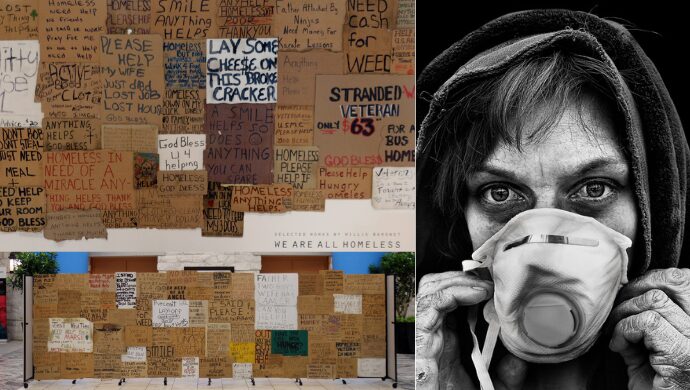
What Is Home pairs Willie Baronet's decades-long collection of homeless signs with Leah den Bok's internationally recognized portraits of individuals experiencing homelessness. Together, their work challenges perceptions, fosters empathy and encourages meaningful conversations about dignity, belonging and the meaning of home.
 Contemporary Gallery
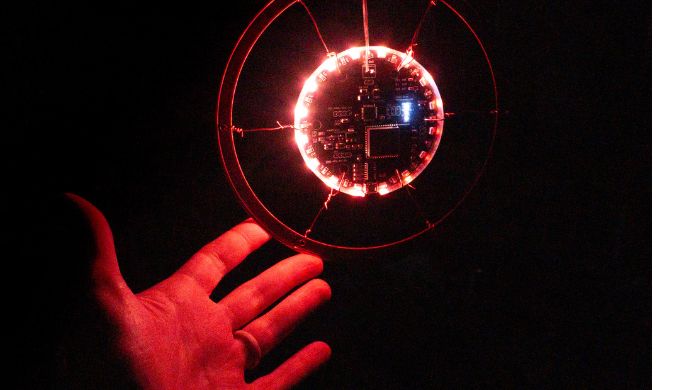
Step into Desperate Remedy/Little Ones at the Washington Pavilion Visual Arts Center, featuring interactive and time-based sculptures by Chris Combs.
The region’s home for the arts, entertainment and science offers endless possibilities for fun and learning. View our calendar of events for our full schedule.